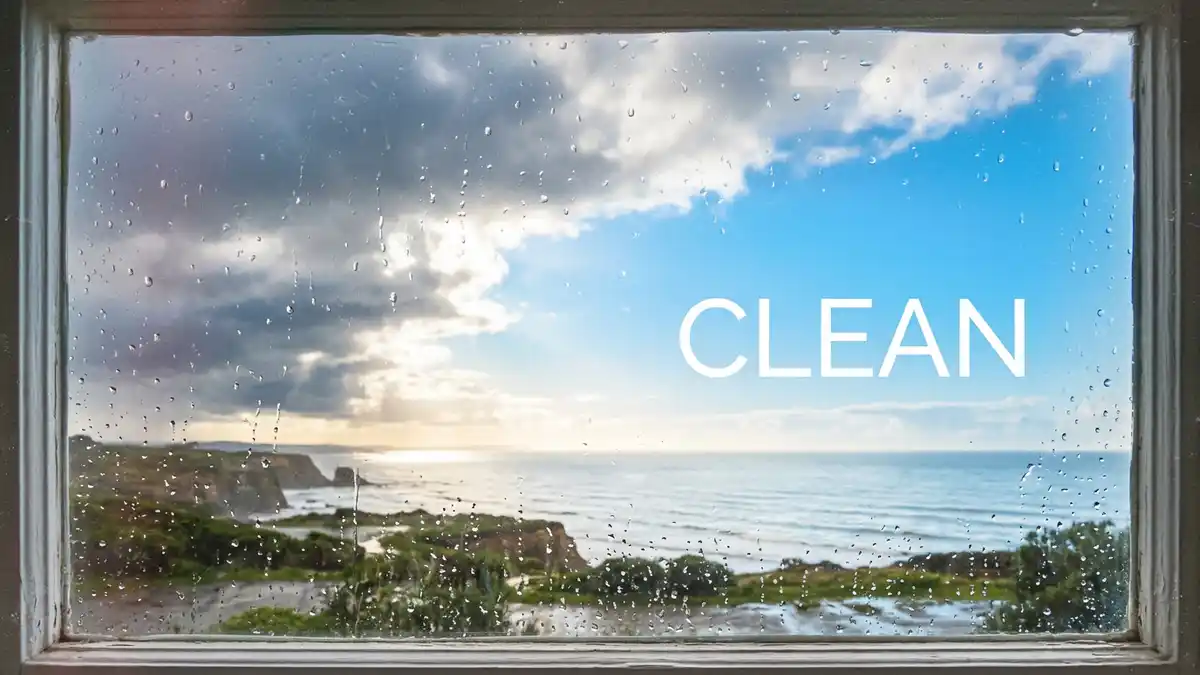

Clean Taylor Swift lyrics close the standard edition of 1989 with a kind of quiet clarity that feels almost restorative after an album full of neon highs and emotional swerves. Released on October 27, 2014, 1989 was Taylor Swift’s fifth studio album and her first official pop album, a deliberate reinvention built on synths, modern drums, and some of the sharpest hooks of her career. As the closing track on the main tracklist, “Clean” carries extra weight: it is the exhale, the moment the storm passes and you can finally hear yourself think again.
About Clean
“Clean” is especially notable because Swift co-wrote it with Imogen Heap, an artist celebrated for inventive production and a singular sonic imagination. Heap’s fingerprints help explain why the song sounds different from some of its neighbors: there is texture, atmosphere, and a sense of ritual, as if healing is not a single event but a slow process you perform in stages. Fans often praise the collaboration as a meeting of two strong musical identities working toward the same emotional goal.
The lyrics lean heavily on water, weather, and drought-to-rain imagery. That metaphor system turns emotional recovery into something you can almost see: cracked earth softening, floods receding, a body learning what it feels like to be light again. It is fan-friendly because it is vivid without being preachy; you do not get a lecture about moving on, you get a sensory scene that mirrors how grief and relief coexist.
As a finale, “Clean” also reframes the album’s relationship stories. 1989 spends many tracks exploring attraction, conflict, memory, and performance; “Clean” answers with release. It suggests that pop can end not with a kiss, but with a decision: choosing yourself, choosing boundaries, choosing the future over the haunting pull of the past. For readers who want independent context on Heap’s career and artistry, see Imogen Heap’s Wikipedia biography.
Clean Lyrics
The full lyrics to “Clean” are included below. They are ideal for tracing how the water metaphor develops from verse to chorus and how the song lands its final sense of closure.
[Verse 1]
The drought was the very worst, ah-ah, ah-ah
When the flowers that we’d grown together died of thirst
It was months, and months of back and forth, ah-ah, ah-ah
You’re still all over me like a wine-stained dress I can’t wear anymore
[Pre-Chorus]
Hung my head, as I lost the war
And the sky turned black like a perfect storm
[Chorus]
The rain came pouring down
When I was drowning, that’s when I could finally breathe
And by morning, gone was any trace of you
I think I am finally clean
[Verse 2]
There was nothing left to do, ah-ah, ah-ah
When the butterflies turned to dust that covered my whole room
So I punched a hole in the roof, ah-ah, ah-ah
Let the flood carry away all my pictures of you
[Pre-Chorus]
The water filled my lungs
I screamed so loud but no one heard a thing
[Chorus]
The rain came pouring down
When I was drowning, that’s when I could finally breathe
And by morning, gone was any trace of you
I think I am finally clean
I think I am finally clean
[Bridge]
Ten months sober, I must admit
Just because you’re clean, don’t mean you don’t miss it
Ten months older, I won’t give in
Now that I’m clean, I’m never gonna risk it
[Outro]
The drought was the very worst, ah-ah, ah-ah
When the flowers that we’d grown together died of thirst
The rain came pouring down
When I was drowning, that’s when I could finally breathe
And by morning, gone was any trace of you
I think I am finally clean
Meaning and Analysis
“Clean” is fundamentally a song about getting over someone without pretending the process is neat. The narrator does not claim she never loved deeply; she claims she will not let that love keep her trapped. That distinction matters. The track is compassionate toward the past and determined about the future, which is why it resonates with listeners who are tired of shame around healing timelines.
The drought-and-rain metaphor works because it captures inconsistency. Recovery rarely moves in a straight line; some days feel dry and hollow, some days feel like sudden storms of feeling. Swift and Heap translate that unevenness into sound: moments that feel sparse, moments that swell, textures that seem to circle rather than march forward. The result is a song that sounds like healing as it actually happens—incremental, nonlinear, occasionally overwhelming.
There is also a strong theme of identity reclamation. To be “clean” here is not about moral purity; it is about being free of a person’s hold on your thoughts, your habits, your sense of self. That reading connects the song to broader conversations about boundaries and emotional labor, especially in relationships where one person’s presence can feel like weather you cannot control.
Placed at the end of 1989, “Clean” sends listeners out of the album with a rare kind of pop closure: not a victory lap, not a joke, not a cliffhanger—just a grounded sense that you survived the story. For many fans, that is why it remains one of the most beloved deep cuts of the era, covered in playlists titled everything from “healing” to “rainy night drives.”
Frequently Asked Questions
Who co-wrote “Clean” with Taylor Swift?
Clean was co-written with Imogen Heap, whose distinctive production sensibilities helped shape the song’s atmospheric sound.
Is “Clean” the last song on 1989?
It is the closing track on the standard edition of 1989, released October 27, 2014, Swift’s fifth studio album and first official pop album.
What is “Clean” about?
The lyrics use water and weather metaphors to describe moving on after a consuming relationship, emphasizing renewal, boundaries, and emotional recovery.
Why do fans love “Clean”?
Many listeners connect with its honest portrayal of healing, its cinematic imagery, and its quieter, more experimental tone within the pop-focused 1989 tracklist.