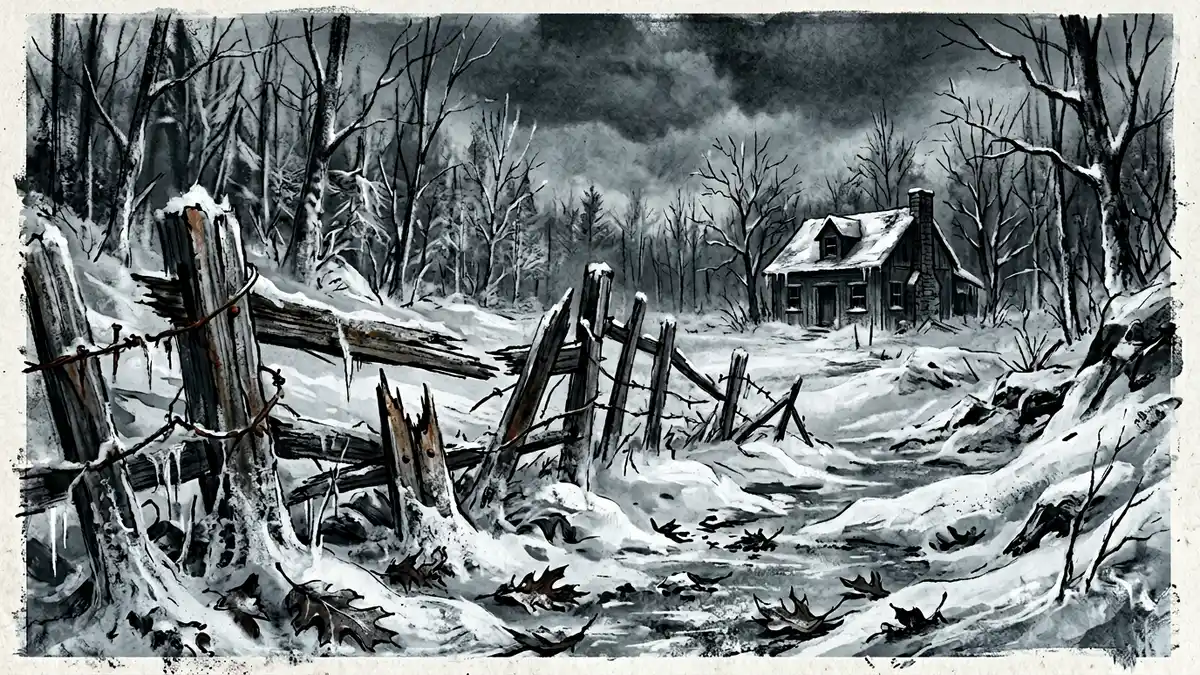

If you are searching for Closure Taylor Swift lyrics, you are diving into one of the boldest sonic experiments on Evermore, the ninth studio album by Taylor Swift, released December 11, 2020. Produced by Aaron Dessner, “closure” trades the album’s usual candlelit folk warmth for a restless, industrial-leaning pulse—distorted percussion, uneasy textures, and a narrator who refuses to play nice when an ex reaches out seeking peace. Against the backdrop of Swift’s Folklore sister project—shaped by indie folk, alternative rock, and chamber pop—“closure” feels like a deliberate jolt, proving that Taylor Swift could bend the era’s aesthetic without breaking its emotional logic.
About closure
“closure” sits as track 14 on the standard edition of Evermore, a placement that matters because it arrives after some of the album’s most ornate chamber-pop storytelling. Where neighboring songs might wrap pain in metaphor and melody, “closure” presents conflict more bluntly: someone offers an apology or a tidy narrative of moving on, and Swift’s narrator declines the performance of forgiveness. Aaron Dessner’s production underscores that refusal through rhythm and noise—elements that feel closer to experimental pop than to the acoustic gentleness many fans associate with the Folklore/Evermore period.
The track’s industrial-influenced percussion is not merely decorative; it mirrors irritation, intrusion, and the sense that closure has been rebranded as a favor the wounded person is expected to grant. That sonic friction makes “closure” the most sonically adventurous song on Evermore, even as it remains lyrically consistent with Swift’s long-standing interest in power dynamics after a breakup. Jack Antonoff is part of the broader album ecosystem, but this song’s identity is tightly bound to Dessner’s willingness to let ugliness into the mix—without sanding down Swift’s vocal presence.
In the wider context of Swift’s ninth album, “closure” also functions as tonal contrast. Evermore is often described as a winter record, full of snowed-in characters and ambiguous endings; this track, however, feels like a draft of cold air through a cracked door—modern, metallic, impatient. It asks whether emotional healing always requires mutual ceremony, and it suggests that sometimes the healthiest response is not a heartfelt reconciliation scene but a firm boundary, expressed with uncomfortable honesty.
closure Lyrics
It’s been a long time
And seeing the shape of your name
Still spells out pain
It wasn’t right
The way it all went down
Looks like you know that now
Yes, I got your letter
Yes, I’m doing better
It cut deep to know ya, right to the bone
Yes, I got your letter
Yes, I’m doing better
I know that it’s over
I don’t need your closure
Your closure
Don’t treat me like
Some situation that needs to be handled
I’m fine with my spite
And my tears, and my beers and my candles
I can feel you smoothing me over
Yes, I got your letter
Yes, I’m doing better
It cut deep to know ya, right to the bone
Yes, I got your letter
Yes, I’m doing better
I know that it’s over
I don’t need your closure
Your closure
Your closure
Your closure
I know I’m just a wrinkle in your new life
Staying friends would iron it out so nice
Guilty, guilty, reaching out across the sea
That you put between you and me
But it’s fake and it’s, oh, so unnecessary
Yes, I got your letter
Yes, I’m doing better
It cut deep to know ya right to the bone
Yes, I got your letter
Yes, I’m doing better
I know that it’s over
I don’t need your closure, closure
Your closure
Your closure
Meaning and Analysis
Lyrically, “closure” interrogates the social script that wounded people must eventually bless their hurtful exes with neat forgiveness. Swift’s narrator hears the language of repair—softened tone, self-serving guilt relief—and responds with skepticism that reads as self-protection rather than cruelty. The meaning lands hardest for listeners who have received a late apology that centers the apologizer’s comfort: the song suggests that “moving on” is not a universal ritual you owe someone who already took more than their share of your time.
The experimental production amplifies that reading. Distorted hits and uneasy spacing create a listening experience that refuses cozy resolution; the track does not build toward a triumphant chorus so much as it sustains tension. In Swift’s catalog, that choice is meaningful: she often uses melodic lift to signal hope, but here the structure withholds easy catharsis, mirroring the narrator’s refusal to convert pain into a polite performance. The result is a song that feels emotionally modern—more interested in boundaries than in redemption arcs curated for public consumption.
At the same time, “closure” can be interpreted as a critique of how celebrity narratives flatten complicated feelings into headlines. Swift has spent years with the public demanding accessible storylines about her relationships; a track that rejects tidy closure reads like an artistic statement as well as a personal one. Whether listeners map it onto a specific situation matters less than the broader idea: healing is not always a mutual photo finish, and peace does not require granting someone else the ending they want—especially not on Evermore, an album comfortable with ambiguity, distance, and winter-bright honesty.
Frequently Asked Questions
What is “closure” by Taylor Swift about?
The song portrays a narrator reacting to an ex’s attempt at apology or reconciliation. Rather than offering tidy forgiveness, Swift emphasizes boundaries and skepticism toward performative closure.
Who produced “closure” on Evermore?
Aaron Dessner produced “closure.” The track features experimental, industrial-influenced textures and distorted percussion that stand out on the album.
Why does “closure” sound different from other Evermore songs?
It leans into harsher rhythms and noise elements, creating tension that matches the lyrics’ refusal of a neat emotional resolution. That contrast highlights Evermore’s range beyond gentle folk and chamber pop.
What number track is “closure” and when was Evermore released?
“closure” is track 14 on Evermore, Taylor Swift’s ninth studio album, released December 11, 2020, as a companion to Folklore.