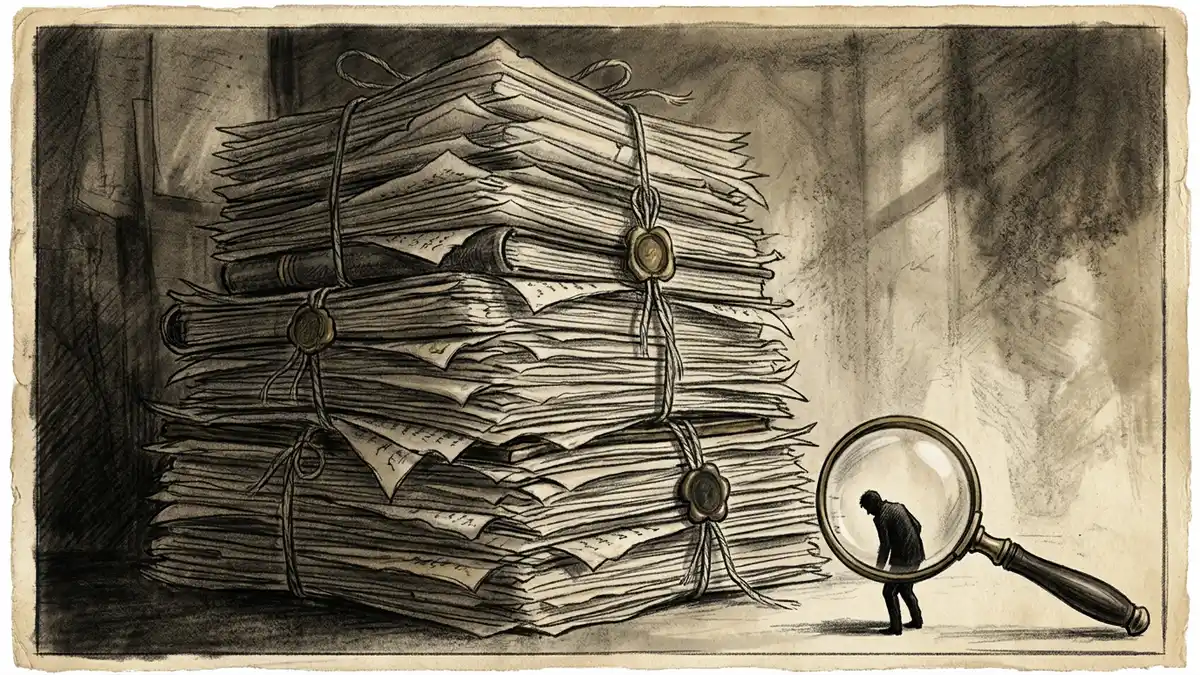

Anyone hunting for The Smallest Man Who Ever Lived Taylor Swift lyrics is usually prepared for one of the sharpest, most unflinching songs on The Tortured Poets Department. Released April 19, 2024, as track 14 on the standard edition, the title alone reads like a verdict—an image that shrinks a person’s moral stature while amplifying the narrator’s clarity. For more on Swift’s career arc and releases, start with Taylor Swift on the main hub.
Table of Contents
About The Smallest Man Who Ever Lived
The Smallest Man Who Ever Lived arrives late on the first disc of The Tortured Poets Department, the sixteen-track core album that debuted alongside the expanded Anthology songs (17–31) on the same release date in 2024. Co-produced by Taylor Swift and Jack Antonoff, the track carries some of the album’s most direct heat—less playful irony, more surgical language. Where other songs cloak pain in metaphor or joke, this one often sounds like someone finally saying the quiet part out loud, with a microphone in hand and nothing left to protect.
Thematically, the song belongs to Swift’s tradition of post-mortem relationship writing: not the dreamy “what if” phase, not the bargaining phase, but the phase where the narrator names behaviors and refuses to beautify them. “Smallness” here is not about height; it is about cowardice, selfishness, and the gap between how someone presents themselves and what they do when it counts. Swift has written angry songs before, but The Tortured Poets Department as a whole frames anger as a form of truth-telling—especially for women trained to soften their stories for public consumption.
Production-wise, Antonoff’s approach gives the song a controlled intensity—moments that feel claustrophobic, then expansive, as if the narrator is pacing a room and occasionally opening a window to let the truth out in a shout. The arrangement supports the lyric’s confrontational energy without turning the track into pure noise; Swift’s vocal performance is often the sharp edge, with instrumentation providing pressure from underneath.
As track 14, it sits near the end of the standard edition’s main narrative runway before the album’s closing statement on track 16. That placement matters: listeners have already moved through several emotional modes—longing, humor, performance, grief—and now they receive a song that feels like a line drawn in ink. Whether you read it as autobiography, fiction, or a blend, its function on the album is unmistakable: a moment where diplomacy ends.
The Smallest Man Who Ever Lived Lyrics
Was any of it true?
Gazing at me starry-eyed
In your Jehovah’s witness suit
Who the fuck was that guy?
You tried to buy some pills
From a friend of friends of mine
They just ghosted you
Now you know what it feels like
And I don’t even want you back, I just want to know
If rusting my sparkling summer was the goal
And I don’t miss what we had, but could someone give
A message to the smallest man who ever lived?
You hung me on your wall
Stabbed me with your push pins
In public, showed me off
Then sank in stoned oblivion
‘Cause once your queen had come
You’d treat her like an also-ran
You didn’t measure up
In any measure of a man
And I don’t even want you back, I just want to know
If rusting my sparkling summer was the goal
And I don’t miss what we had, but could someone give
A message to the smallest man who ever lived?
Were you sent by someone who wanted me dead?
Did you sleep with a gun underneath our bed?
Were you writing a book?
Were you a Sleeper Cell spy?
In fifty years, will all this be declassified?
And you’ll confess why you did it
And I’ll say: Good riddance
‘Cause it wasn’t sexy once it wasn’t forbidden
I would’ve died for your sins
Instead, I just died inside
And you deserve prison, but you won’t get time
You’ll slide into inboxes and slip through the bars
You crashed my party and your rental car
You said normal girls were boring
But you were gone by the morning
You kicked out the stage lights, but you’re still performing
And in plain sight you hid
But you are what you did
And I’ll forget you, but I’ll never forgive
The smallest man who ever lived
Meaning and Analysis
People searching for The Smallest Man Who Ever Lived Taylor Swift lyrics are often trying to decode how Swift turns a personal wound into a public archetype. The title weaponizes scale: “smallest” is an insult aimed not at insecurity but at character. In storytelling, the “big man” boasts; the small man, in this moral framework, hides, betrays, or shrinks when accountability arrives. Swift compresses that judgment into a phrase that sounds almost like folklore—something repeated until it becomes legend.
The song’s power comes from specificity paired with refusal. Angry breakup songs can drift into vague slogans; Swift’s writing tends to anchor rage in concrete images and sequences that feel like evidence. Listeners may disagree about who inspired what, but the emotional logic stands alone: this is a narrator who tried to see generosity where there was none, and who is done paying interest on that mistake. The production underscores that finality—moments that feel like doors slamming, others like a steady burn.
Within The Tortured Poets Department, the track also reflects the album’s literary self-awareness—its interest in how narratives are constructed, contested, and revised. Here, revision looks like taking back the flattering version of events and replacing it with a colder draft. That is not cynicism; it is clarity—and for many fans, it is one of the record’s most cathartic releases.
FAQs
What album is “The Smallest Man Who Ever Lived” on?
It is track 14 on the standard sixteen-track edition of The Tortured Poets Department, released April 19, 2024.
Who produced “The Smallest Man Who Ever Lived”?
Taylor Swift and Jack Antonoff produced the song, in line with much of the album’s sonic palette.
Why is the song considered “cutting”?
Fans often describe it as especially direct because of its confrontational tone and sharp lyrical judgments compared with softer or more ironic tracks on the album.
Is it part of The Anthology?
No—it is on the main sixteen-song album. The Anthology refers to tracks 17–31.